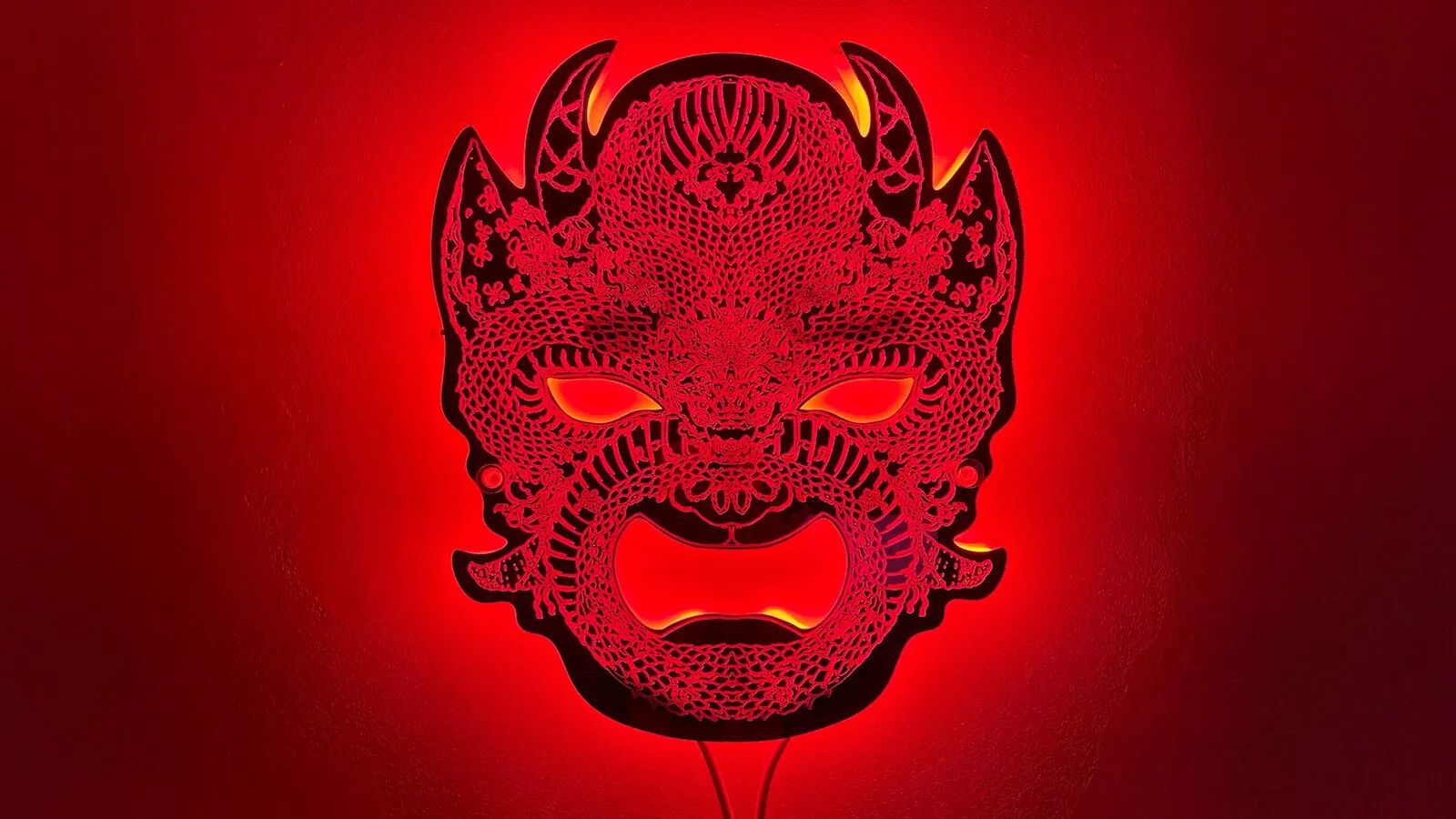
Cutting, etching, rotary
Laser Cutting
CO2 laser cutting and etching for acrylic, wood, paper, leather, and textiles — clean edges, fine detail, no tooling cost.
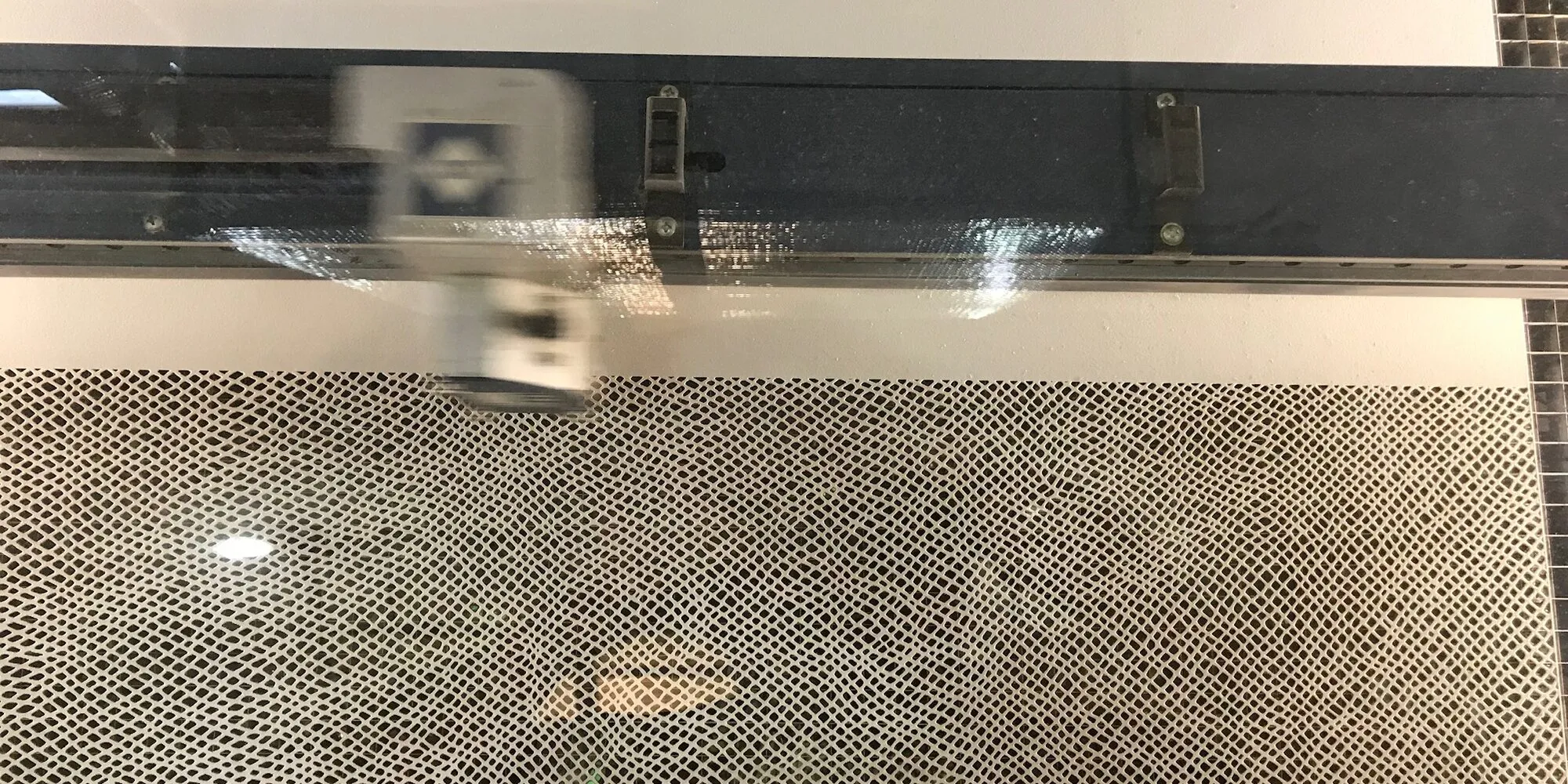
A CO2 laser cuts by burning a very fine line through the material, or etches by burning to a shallow depth. There’s no tooling to make and no tool diameter to design around, so laser is usually the right call for intricate 2D work and short runs.
What we do with it
Cutting. Acrylic cuts with a flame-polished edge straight off the machine — no sanding, no finishing. Wood, paper, leather, felt, and most textiles cut clean too.
Etching. Photographic raster etching or crisp vector scoring. Good for branding, wayfinding, control panels, and gift/retail personalization.
Rotary. We can etch cylindrical objects — bottles, tumblers, canisters — on a rotary axis.
What it can’t do
No metal, at all. Not aluminum, not steel, not brass. A CO2 laser cannot cut metal and cannot mark it. If your part has to be metal, you want a waterjet or a fiber laser — ask us and we’ll point you at a shop we trust.
No PVC, polycarbonate, or anything containing chlorine — on the laser. Chlorinated plastics release chlorine gas under a CO2 beam. It’s a hazard to whoever is standing at the machine and it corrodes the optics. This isn’t a preference we can be talked out of.
That’s a laser limit, not a shop limit: we rout PVC and polycarbonate on the CNC all the time. A router cuts, it doesn’t vaporize. If your part is one of those, send it to CNC routing instead.
Cut depth tops out around 1/2”, and how close you get to that depends on the material — acrylic goes deeper and cleaner than most woods.